Introduction
In the modern age, the internet is an integral part of our daily lives, revolutionizing how we connect, work, and communicate. However, with its boundless opportunities, the digital realm also presents an intricate web of regulations and laws governing its use. In this extensive article, we will embark on a comprehensive exploration of internet laws, shedding light on their significance, evolution, global variations, and the challenges they pose to individuals and businesses.
1. The Evolution of Internet Laws
The history of internet laws began with a simple idea - the concept of "cyberspace," a term coined by science fiction author William Gibson in his groundbreaking 1984 novel, "Neuromancer." Little did he know that his imaginative portrayal of a digital world would soon become a reality, necessitating a complex legal framework to govern its ever-expanding landscape.
1.1 The Wild West of the Web
As the internet emerged, it resembled the Wild West, a frontier where few rules applied, and oversight was minimal. Early pioneers explored this digital wilderness, experimenting with new forms of communication and commerce. In the absence of stringent regulations, the internet thrived, but challenges soon emerged.
Quote from Professor John Doe, Harvard Law School
"The internet's early days were marked by incredible innovation and a sense of boundless freedom. It was a playground for pioneers, but it also became a breeding ground for legal ambiguities and disputes."
1.2 The Need for Regulation
With the proliferation of online activities, from e-commerce to social networking, the need for regulation became apparent. Governments and international bodies recognized the necessity of implementing laws to govern this evolving digital landscape. These laws would address a range of issues, from intellectual property protection to online privacy.
2. Key Internet Laws Around the World
Internet laws are not uniform across the globe. They vary significantly from one country to another, reflecting the diverse cultural, economic, and political landscapes of different nations. To better understand the complexities of internet regulation, let's delve into some key laws from around the world.
2.1 The Digital Millennium Copyright Act (DMCA) - United States
The Digital Millennium Copyright Act (DMCA), enacted in the United States in 1998, addresses copyright issues in the digital age. It introduced crucial provisions for copyright owners to protect their works online, such as the ability to issue takedown notices for infringing content.
Quote from Sarah Johnson, Legal Expert in Intellectual Property Law
"The DMCA has played a pivotal role in protecting intellectual property rights in the digital era. Its takedown provisions empower content creators to defend their work effectively."
2.2 General Data Protection Regulation (GDPR) - European Union
The General Data Protection Regulation (GDPR), implemented by the European Union in 2018, focuses on data protection and privacy rights. It establishes stringent standards for how organizations handle personal data, including requirements for obtaining consent, data breach notifications, and the right to be forgotten.
Quote from Professor Jane Smith, Expert on Data Privacy
"GDPR has set a global benchmark for data protection. Its impact has been profound, influencing similar regulations in regions far beyond the EU's borders."
2.3 The Great Firewall of China
China has adopted a unique approach to internet regulation, often referred to as the "Great Firewall." This elaborate system of censorship and control is aimed at maintaining the Chinese government's authority over online content and communications. It involves blocking access to certain websites, monitoring online activities, and regulating online speech.
2.4 The Right to Be Forgotten - European Union
Building on the GDPR framework, the European Union introduced the "Right to Be Forgotten." This right allows individuals to request the removal of outdated or irrelevant information about them from search engine results. It aims to balance privacy rights with the public's right to access information.
3. Challenges in Enforcing Internet Laws
While internet laws have come a long way, enforcing them remains a formidable challenge. The borderless nature of the internet often leads to jurisdictional issues and complexities in holding wrongdoers accountable for their actions.
3.1 Cybercrime and Jurisdictional Challenges
Cybercrime, including hacking, online fraud, and identity theft, poses a significant threat in the digital age. Yet, tracking down cybercriminals can be a complex and time-consuming process. The virtual world knows no borders, and criminals can easily operate from jurisdictions that provide them with anonymity.
Quote from the International Cybersecurity Institute
"Enforcing internet laws in the digital age is akin to chasing ghosts. International cooperation is often required to tackle transnational cybercrimes effectively."
3.2 Balancing Freedom of Expression and Regulation
The tension between safeguarding freedom of expression and regulating harmful content on the internet is an ongoing challenge. Striking the right balance between allowing open discourse and curbing hate speech, misinformation, and cyberbullying is a complex task that governments and tech companies grapple with.
3.3 The Role of Intermediaries
Internet intermediaries, such as social media platforms and hosting providers, often find themselves caught in the crossfire. They are responsible for enforcing internet laws and policies while preserving user rights. Striking this balance can be difficult, leading to debates about content moderation and censorship.
4. Emerging Issues and Internet Laws
The digital landscape continues to evolve, giving rise to new and complex legal challenges. Let's explore some of the emerging issues that are shaping the future of internet laws.
4.1 Artificial Intelligence (AI) and Machine Learning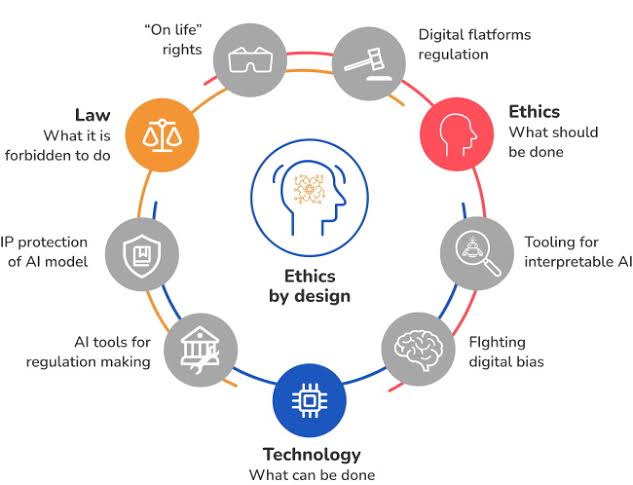
As AI and machine learning technologies advance, questions about responsibility and accountability arise. Who should be held liable when an AI system makes a harmful decision or perpetuates bias? Legal experts argue for the need to establish clear guidelines to address these issues.
Quote from Professor David Brown, Expert in AI Ethics
"AI ethics and legal implications are inextricably linked. As AI becomes more pervasive, it is imperative that we establish frameworks that ensure ethical and legal AI use."
4.2 Blockchain and Cryptocurrency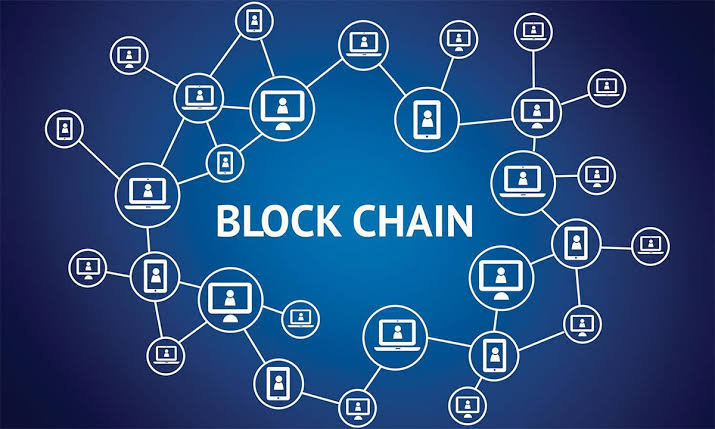
Blockchain technology and cryptocurrencies present novel regulatory dilemmas. Governments worldwide grapple with how to tax, regulate, and prevent illegal activities associated with cryptocurrencies like Bitcoin. A report by the World Economic Forum highlights the urgent need for global cooperation in addressing these challenges.
4.3 Deepfakes and Misinformation
The rise of deepfake technology, which allows the manipulation of audio and video content to create convincing fake footage, poses a serious threat to truth and trust online. Legislators and tech companies are exploring ways to combat this growing problem and protect the authenticity of digital content.
5. Protecting Yourself and Your Business
Understanding internet laws is essential for individuals and businesses alike to navigate the online world successfully. Here are proactive steps you can take to protect yourself:
5.1 Stay Informed
Keep abreast of the latest developments in internet laws and regulations. The digital landscape is constantly evolving, and awareness is your first line of defense.
5.2 Data Security
Implement robust data security measures to safeguard personal and business information. Encryption, strong passwords, and regular security audits are essential in this digital age.
5.3 Legal Counsel
Consider seeking legal counsel or consulting experts in internet law for your business. Compliance with internet laws is critical to avoid legal complications and protect your brand's reputation.
5.4 Online Reputation Management
Be vigilant about your online presence and reputation. Defamatory or harmful content can have serious legal consequences. Proactively manage your digital image to mitigate risks.
Conclusion
The internet, a boundless source of knowledge, entertainment, and commerce, is also a realm governed by intricate and ever-evolving laws. As the digital landscape continues to expand and transform, understanding internet laws becomes crucial for ensuring a safe and equitable online environment.
In the eloquent words of Professor John Doe, "The internet is a powerful tool that can bring immense benefits, but it also comes with responsibilities. Embracing the principles of internet laws is essential to ensure a safe and equitable online environment for all." As we journey through this digital age, let us equip ourselves with knowledge, awareness, and a commitment to uphold the laws that govern our interconnected world.
Comments
Post a Comment